Doberman Breed Information: Understanding This Loyal and Intelligent Dog
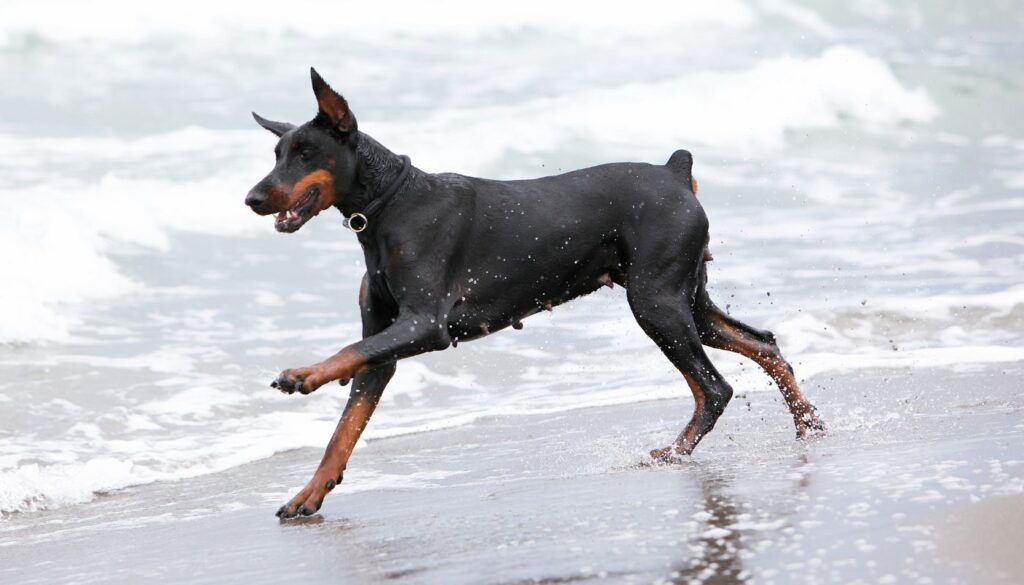
The Doberman Pinscher is one of the most recognisable dog breeds in the world. With a sleek coat, athletic build and alert expression, the Doberman has a confident appearance that attracts many admirers. However, there is much more to this breed than its striking looks.
Dobermans are intelligent, active and often deeply loyal to their families. They can become affectionate companions and eager training partners, but they also require committed owners who are prepared to provide exercise, guidance, socialisation and responsible care.
The History of the Doberman Pinscher
The Doberman Pinscher originated in Germany around 1890 and was named after Louis Dobermann, the man credited with developing the breed. He wanted a capable dog that could accompany and protect him while he worked. As a result, the early Doberman was developed as an alert, dependable working dog.
Over time, the breed became valued for more than protection work. Dobermans have served in various working roles and have also become admired family companions. Today, a responsibly bred and properly raised Doberman can be a loving household dog as well as an athletic, intelligent partner.
Doberman Appearance
Dobermans have a distinctive appearance: strong without appearing heavy, elegant without looking delicate. Their bodies are muscular and athletic, reflecting a breed built for movement and stamina.
The Doberman has a short, smooth, close-lying coat that generally requires minimal grooming. In Canada, recognised coat colours include black, red, blue and fawn, all with rust-coloured markings in characteristic areas such as the face, chest, legs and below the tail.
Their alert posture and confident movement are part of what makes the Doberman so impressive. Even when resting, many Dobermans seem aware of everything happening around them.
Doberman Temperament and Personality
A Doberman is often described as loyal, watchful, energetic and intelligent. These dogs frequently form close relationships with their owners and may want to be involved in daily family activities.
Many Dobermans enjoy staying near their people, which is why owners sometimes refer to them as “Velcro dogs.” They may accompany you around the home, settle nearby while you work or eagerly join you for a walk or outing.
Their attentiveness also means that training and socialisation matter. A Doberman should learn how to respond calmly to visitors, new environments, other dogs and ordinary household activity. A well-raised dog should be confident and manageable, not fearful or unnecessarily reactive.
Every Doberman is an individual. Genetics, early upbringing, health, training and home life all influence the personality of a particular dog.
Exercise and Training Needs
Dobermans are not typically low-energy dogs. Healthy adults generally benefit from regular walks, structured play, training activities and opportunities to engage their minds.
Because they are intelligent, physical exercise alone may not be enough. Dobermans often enjoy learning new skills, practising obedience, playing scent games or working with puzzle toys. A dog that receives suitable mental and physical enrichment is more likely to be content at home.
Training should begin early and continue throughout life. Important skills include loose-leash walking, recall, calm greetings, settling quietly and accepting grooming or veterinary handling. Positive, consistent training helps build trust while teaching the dog how to behave successfully in everyday situations.
Health and Everyday Care
The Doberman’s short coat is straightforward to care for, but regular brushing, nail trimming, dental care and ear checks are still important. Owners should also provide suitable nutrition, maintain a healthy body condition and schedule routine veterinary care.
Prospective owners should understand that Dobermans can be affected by breed-related health concerns, including certain heart and inherited conditions. Anyone considering a puppy should look for a responsible breeder who discusses health testing, temperament and early puppy care openly.
Owners should contact a veterinarian if they notice changes in their dog’s appetite, breathing, energy, movement or behaviour.
Is a Doberman Right for You?
A Doberman may be an excellent fit for someone who wants an involved, intelligent companion and has time for exercise, training and companionship. They may be less suitable for households looking for a low-involvement dog that can be left alone frequently without much daily activity.
Before choosing a Doberman, consider the adult dog behind the beautiful puppy. This is a powerful, intelligent breed that deserves thoughtful ownership and a long-term commitment.
For owners prepared to meet their needs, Dobermans can become devoted companions, energetic adventure partners and deeply loved members of the family.